Getting Your Toll Tag Sorted: A Houston Newcomer’s Guide
If you’re moving to Greater Houston from almost anywhere else, the toll system here will genuinely surprise you — and not in a good way if you don’t set it up right from day one. This isn’t a minor annoyance. Real families have ended up with bills from two different toll companies for the exact same drive, simply because nobody told them how fragmented this system actually is.
Why This Is More Complicated Than It Should Be
Greater Houston doesn’t have one toll authority — it has five, and which one you’re dealing with depends entirely on which road you’re driving:
- HCTRA (Harris County Toll Road Authority) — the largest, covering most of the core Houston toll network
- TxDOT — owns the Grand Parkway (SH 99) and the Katy Managed Lanes
- FBCTRA (Fort Bend County Toll Road Authority) — covers Fort Bend County’s toll roads, including the Fort Bend extension of Westpark Tollway
- BCTRA (Brazoria County Toll Road Authority) — covers Brazoria County toll roads
- MCTRA (Montgomery County Toll Road Authority) — covers Montgomery County toll roads
As of November 2024, TxDOT handed its toll billing and customer service over to HCTRA, which consolidated some of this — but if you’re moving from out of state with an existing toll tag, or if your daily commute crosses from one county into another, you can still end up dealing with more than one system.
What This Looks Like By Area
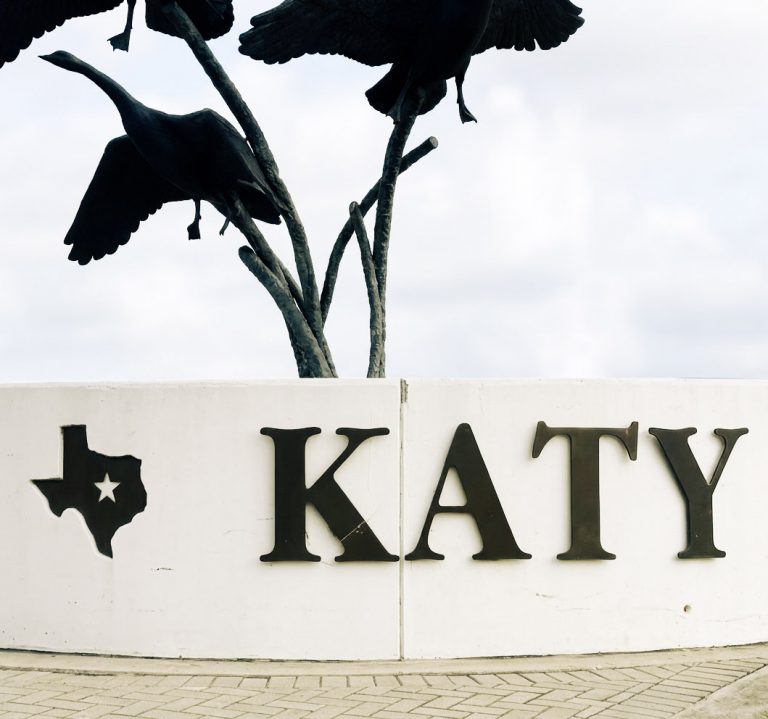
Cinco Ranch / Katy: Your daily routes likely include the Grand Parkway (SH 99, TxDOT-owned) and Westpark Tollway. Westpark itself is HCTRA inside Harris County — but if your route extends west into Fort Bend County, that stretch switches to FBCTRA, a completely separate authority with its own rules (more on why that matters below).
Sugar Land / Fort Bend County: You’re likely dealing with FBCTRA directly for local toll roads, plus the Grand Parkway (TxDOT) for through-traffic.
Cypress / Bridgeland: Grand Parkway (TxDOT) and Beltway 8 (HCTRA) are your most likely routes.
Pearland / Brazoria County: A mix of Beltway 8 (HCTRA), SH 288 managed lanes (TxDOT), and potentially BCTRA roads depending on your exact route.
The Woodlands / Montgomery County: Hardy Toll Road (HCTRA) is the most common route into central Houston, with MCTRA covering some local Montgomery County roads.
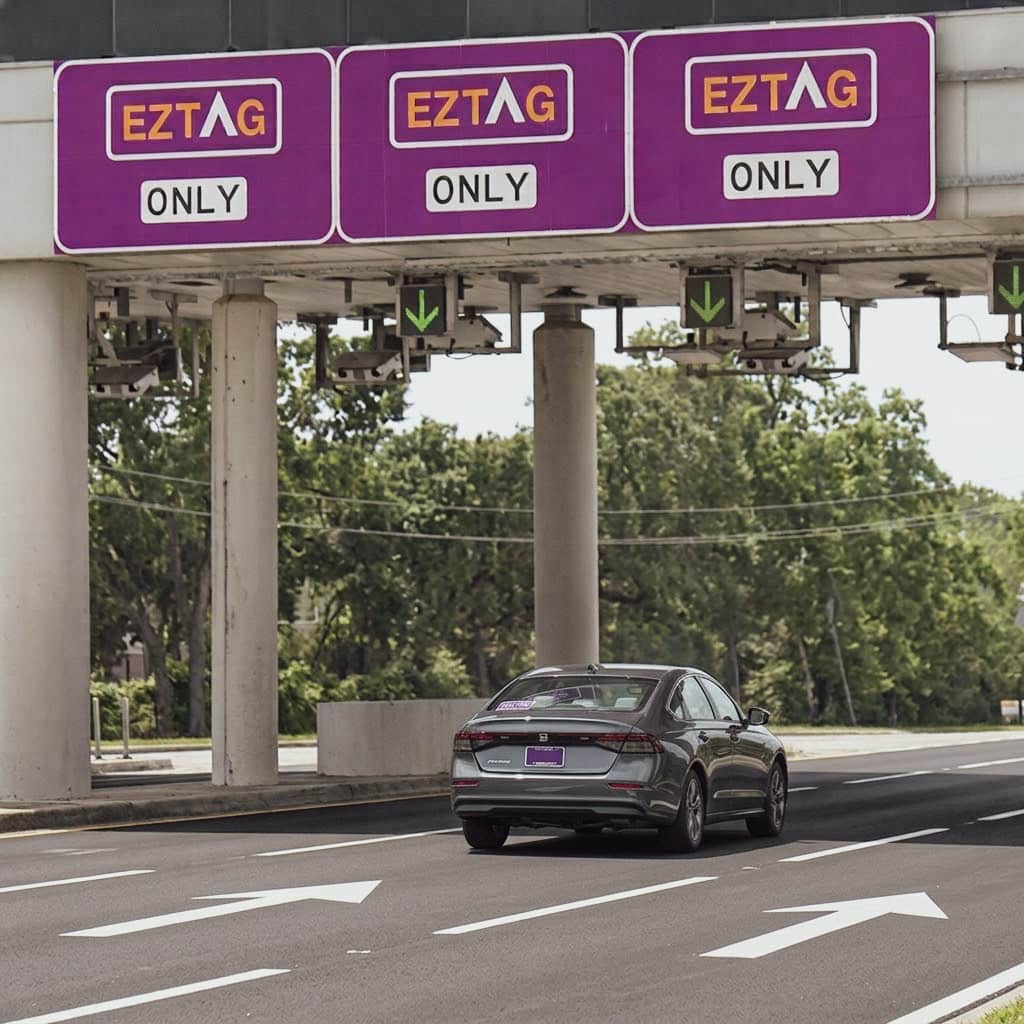
The One Solid Fix: Get an EZ TAG
If you only do one thing before you start driving here, get an EZ TAG. It’s the most widely accepted transponder in the state — it works on HCTRA roads, and it’s interoperable with TxTag, TollTag (Dallas), K-TAG (Kansas), and PikePass (Oklahoma) roads too. One account, one sticker, and you avoid the non-tag surcharge that most authorities charge (on some roads, driving without a tag costs 50% more).
It won’t solve every possible cross-county billing quirk — Fort Bend County specifically still runs its own separate system — but it eliminates the vast majority of the confusion newcomers run into.
If you’re bringing a toll tag from another state, don’t assume it’ll just work here the way it did back home. Set up your Texas account and confirm your vehicle is properly registered on it before you start driving toll roads regularly — this is exactly where the “two bills from two companies” problem starts.
What Actually Happens If You Don’t
This is worth being precise about, because the real answer is more useful than a scare story. On most HCTRA-area roads, driving without a tag doesn’t get your car towed on the spot. It typically escalates like this:
- You get a Pay-By-Mail invoice with an added surcharge
- If that goes unpaid, it becomes a violation with additional administrative fees, which can compound quickly
- If violations pile up and stay unpaid, HCTRA can place a hold on your vehicle registration renewal — meaning you literally can’t renew your plates until it’s cleared
- In genuinely extreme, repeat-offender cases, vehicles have been impounded
Fort Bend County is the real exception to know about. FBCTRA doesn’t offer a pay-by-mail option at all, and it allows immediate towing for unflagged vehicles on its roads. If your regular commute includes the Fort Bend extension of Westpark Tollway or other FBCTRA roads, that’s not a system where you get a grace-period invoice in the mail — get your tag sorted before you’re on those roads, not after.
The Bottom Line
Get your EZ TAG set up before your moving truck is even unpacked, confirm it’s linked to the right vehicle, and know which county’s toll authority actually covers your daily commute — especially if you’re anywhere near a county line. It’s a five-minute setup that saves you from a genuinely common, genuinely avoidable Houston newcomer headache.